Starlink

Starlink

Get connected anywhere with Starlink by Paratus

Experience lightning-fast, low-latency internet — no matter where you are.

As an Authorised Starlink Reseller, Paratus delivers seamless installation, expert support and ongoing service to keep your business connected.

Improved reliability

Starlink Business Solutions feature high-gain antennas and increased throughput capacity, allowing for faster, more efficient data transmission. This results in a more stable and reliable internet connection, even in remote or challenging environments.

With greater bandwidth and lower downtime, Starlink Business is built for 24/7 mission-critical operations — perfect for industries like construction, energy, mining and maritime where constant connectivity is essential.


High-speed

Thanks to Priority Data, Starlink offers faster speeds (typically 40-220 Mbps download, 8-25 Mbps upload) & top network priority, enabling high throughput connectivity for applications such as video-conferencing, cloud computing, remote working, SD-WAN, and more.

Top Quality Support - The Paratus Promise

We’re committed to exceptional customer service at every stage. Our 24/7 Network Operations Centers are ready to support you—anytime, anywhere in Africa. With skilled, professional technicians and fast, efficient deployment, we minimise disruption to your business.

Unmatched after-sales support and a true customer-first approach — that’s what sets Paratus apart

How Starlink Works

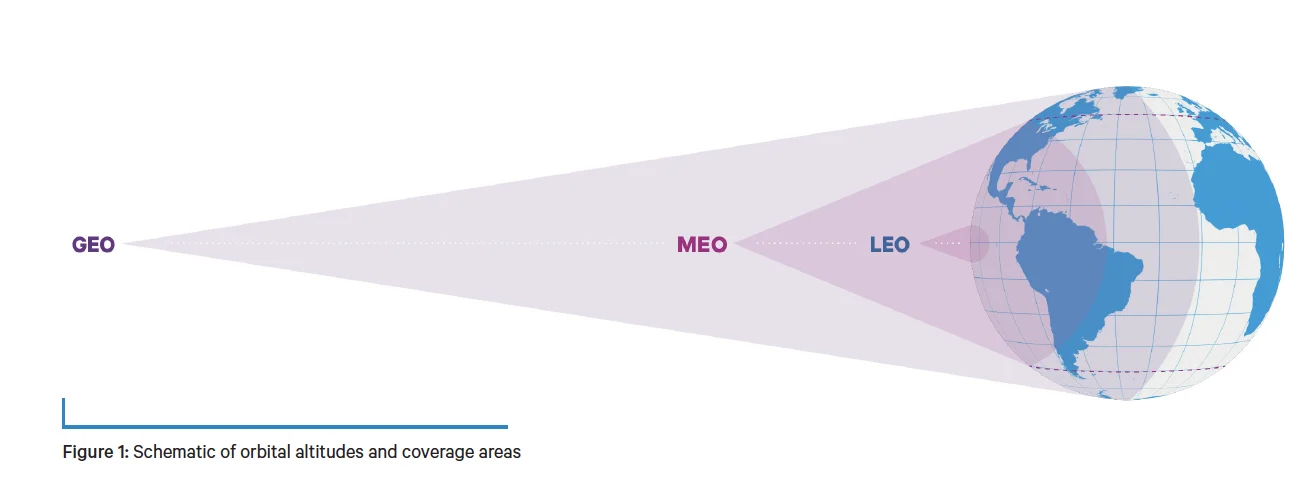
Traditional satellite internet relies on a single geostationary satellite positioned over 35,000 km above Earth. This long distance causes high latency — making video calls laggy, real-time collaboration frustrating and cloud-based work slow and unreliable.

Starlink uses a network of thousands of Low Earth Orbit (LEO) satellites, flying just a few hundred kilometers above the planet. Because data travels a much shorter distance, latency is dramatically reduced. This means faster response times, smoother video conferencing and seamless access to cloud services — even in the most remote areas.

Difference Between GEO, MEO and LEO

Enjoy expert installation, reliable support and seamless connectivity powered by a trusted African network leader.
Difference Between GEO, MEO and LEO

Geostationary Earth Orbit
Satellite

  • Orbit the Earth at an altitude of over 30,000 km above the equator, matching the Earth’s rotational period.
  • Appear to be stationary in the sky from a fixed point on Earth.
  • Mainly used for weather data, broadcast TV, and some low-speed data communications.
  • Advantages: high-capacity density, low cost per bit, large coverage area.
  • Disadvantages: high latency (about 600 ms)

Medium Earth Orbit
Satellite

  • Orbit the Earth at an altitude between 5,000 and 20,000 km, moving faster than GEO satellites.
  • Complete one orbit in between two and eight hours.
  • Mainly used for navigation purposes, such as GPS, Glonass, and Galileo.
  • Advantages: lower latency than (about 50 ms), higher throughput than GEO satellites.
  • Disadvantages: need more satellites to cover the same area, need more complex tracking systems to maintain contact with them.

Low Earth Orbit
Satellite

  • Orbit the Earth at an altitude up to 2,000 km.
  • Complete one orbit in about 90 minutes.
  • Mainly used for communication and observation purposes, such as satellite phones, internet access, remote sensing, and space exploration.
  • Advantages: worldwide coverage, low latency.
  • Disadvantages: need a large number of satellites to maintain continuous service, face more atmospheric drag and orbital decay than higher-altitude satellites.

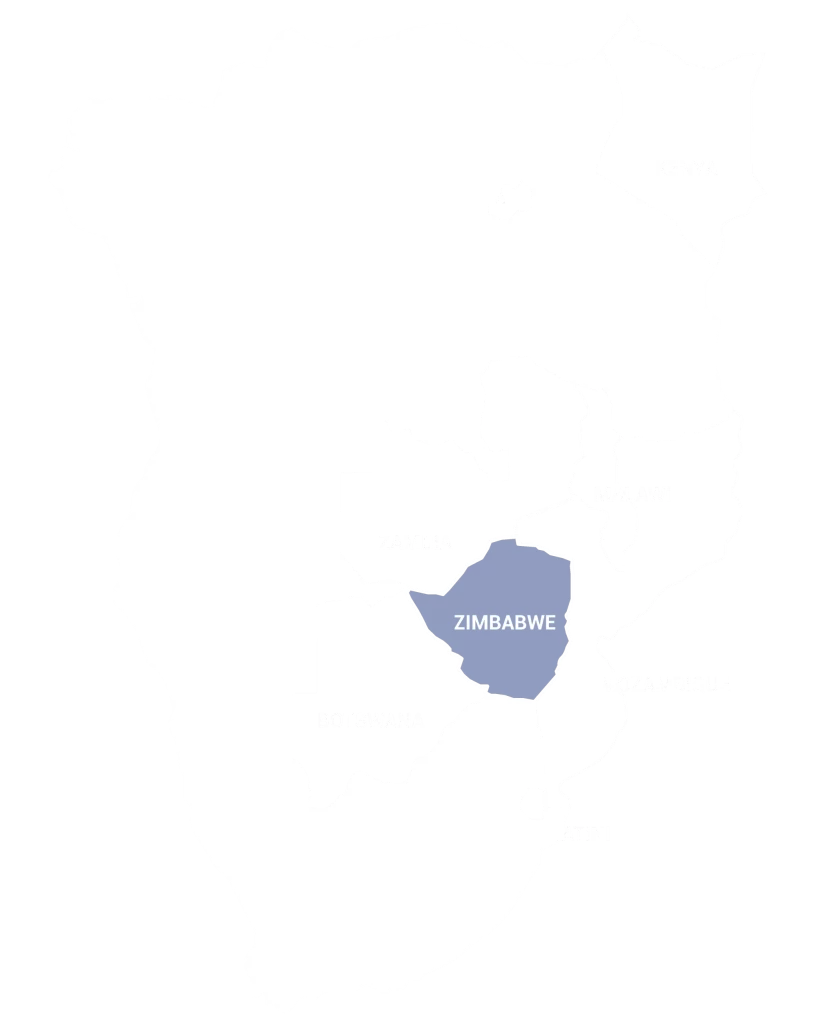
Starlink Coverage

Website Coming Soon

Website Coming Soon

Authorised Starlink Reseller Logo

Get connected anywhere with Starlink

Paratus is only authorised to sell Starlink Business Services. Should you require residential services, please refer to the Starlink Website.
Is the service for Residential or Business?