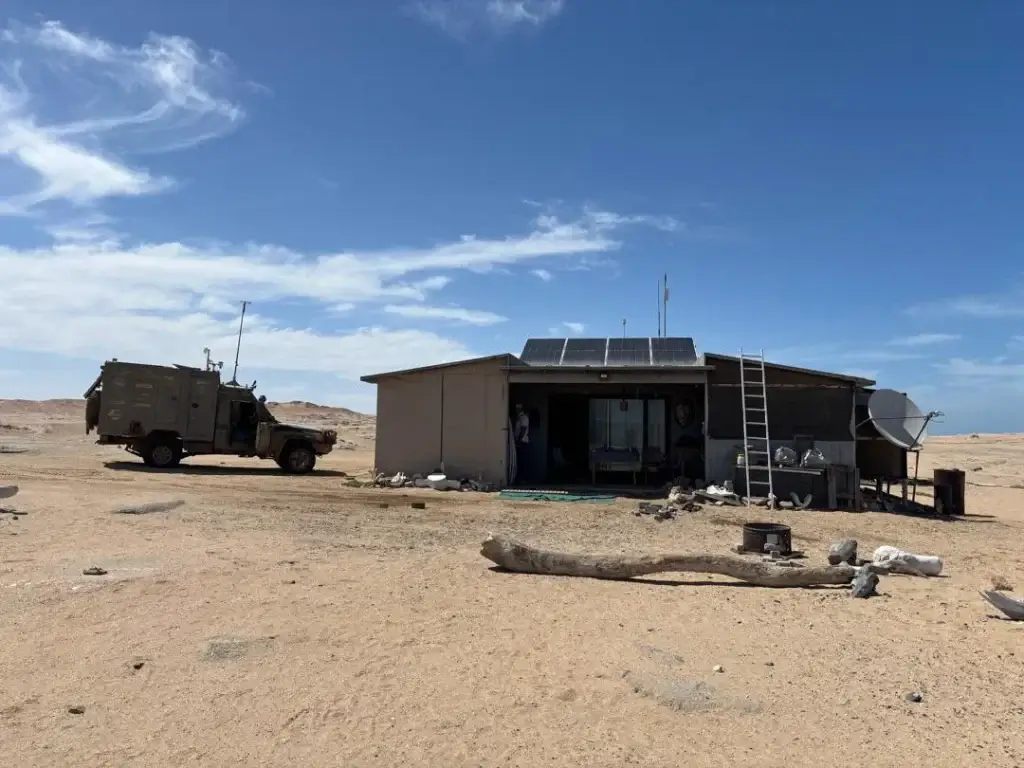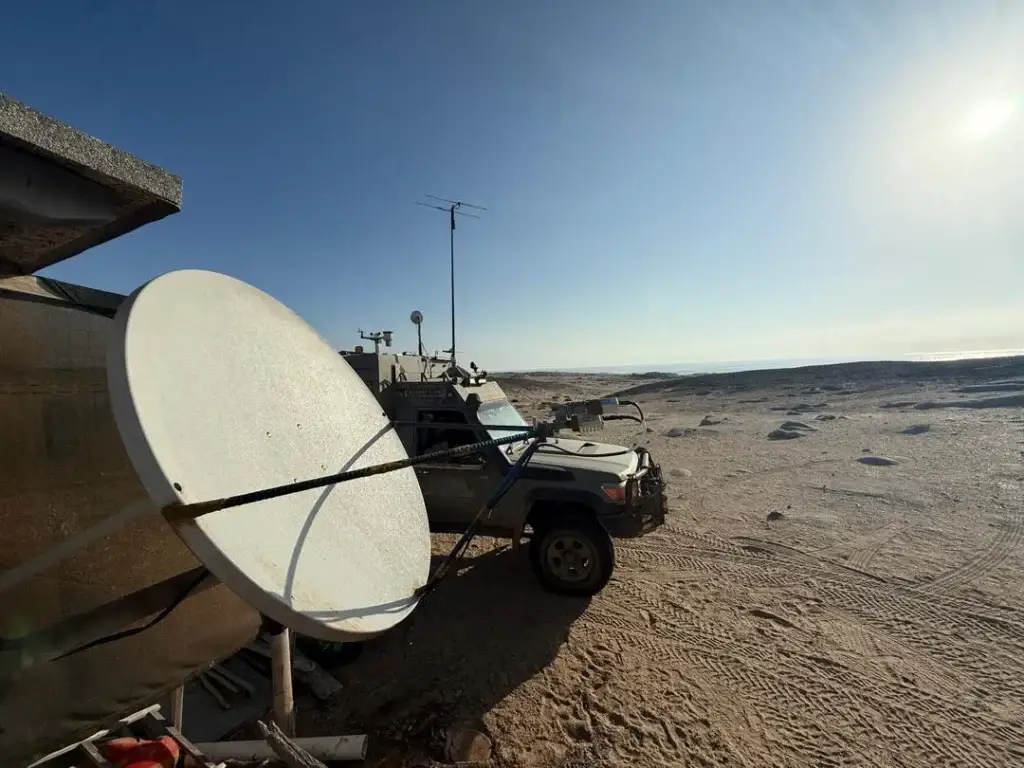
Operating in remote north-west Namibia, the Desert Lion Conservation Trust (DLCT) carries out its vital work monitoring the desert lions, but this vast, inaccessible terrain has no mobile coverage. The organisation’s work is effective because Paratus Namibia has been supporting the conservation of the country’s unique desert-adapted lions by providing satellite connectivity through a satellite solution to the research station at Möwe Bay. This critical link enables the project team to stay connected, coordinate operations and share essential data.
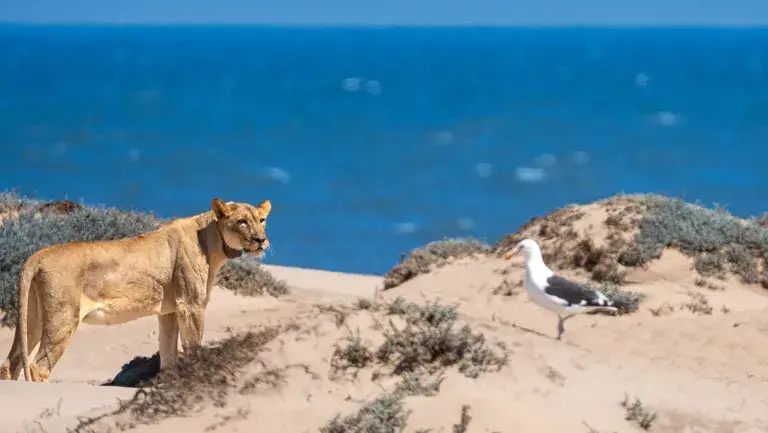
For the past two decades, the organisation has been monitoring desert lions in the region. With the population currently estimated at fewer than 100, and as these lions move across large areas that overlap with communal land, managing human wildlife conflict is key to ensuring their survival and in protecting human communities and their livestock. This work is carried out in conjunction with on-the-ground partners as well as the Ministry of Environment, Forestry and Tourism (MEFT).
Connectivity at base camp allows researchers to process tracking data and remain in contact with lion rangers in areas such as Purros and Sesfontein. Through early warning systems linked to collared lions, rangers are alerted when animals move into high-risk zones, helping to reduce conflict and protect both livestock and lions.
Group Chief Development Officer of Paratus Group, Barney Harmse says: “This is about more than connectivity. It is about enabling conservation and helping the work of the DLCT remain vital and effective. We are proud to support the protection of a unique and vulnerable lion population, while helping those on the ground respond where it matters most.”
Dr Flip Stander, founder of the Desert Lion Conservation Trust, says that working in such a remote environment means the DLCT researchers must rely on being able to connect when they return to base. “Having reliable communication at Möwe Bay allows us to coordinate our work, manage data effectively and support rangers in key areas where timely information can make a real difference to the livelihood of the lions and local communities.”
While real-time connectivity in the field remains a challenge, the partnership continues to strengthen conservation efforts in one of the most demanding environments in the world, supporting both wildlife and the communities that live alongside them.