
Most businesses rely on phone calls every day, from customers calling reception, to staff transferring...
2016

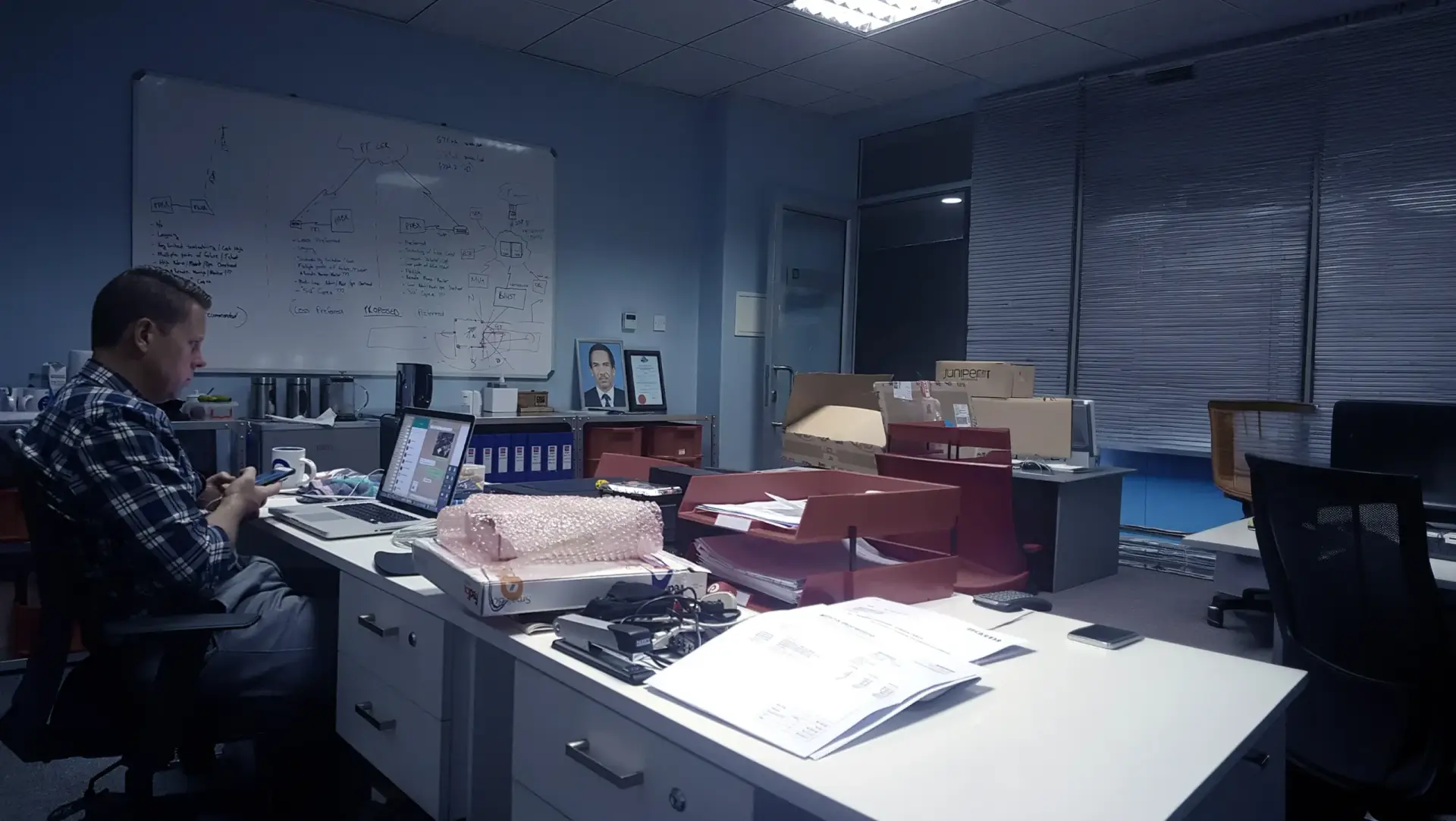
Paratus Botswana was established in a modest 4m x 4m office within a shared workspace in Fairgrounds, Gaborone. With just two employees and a focused vision, the company targeted enterprise clients, grounded in the three core pillars that continue to define our brand: Quality, Reliability and Service Excellence.

2017
Paratus secured its first Data Centre presence and invested in a licensed 1Gbps microwave ring in Gaborone. Later that year, a 10Mbps international IPLC link to Teraco in Johannesburg was established, becoming the company’s first connection to the broader Paratus Group network.
2018
Paratus expanded its network to Francistown and secured a Gateway Licence from BOCRA, enabling direct international connectivity via Tlokweng. The company also acquired a communications tower in Kopfontein via Paratus South Africa and constructed its first independent cross-border microwave link.
2019
Paratus began building its own fiber network in Gaborone, completing a North–South backbone through Gaborone and via Tlokweng into South Africa. This formed the foundation for a metro fiber rollout, delivering diverse and independent connectivity solutions for both businesses and residential customers.

2020
A cloud and hosted services platform was launched, enabling the delivery of virtual machines, storage, hosted email and firewall solutions, marking Paratus Botswana’s entry into value-added enterprise services.
2021
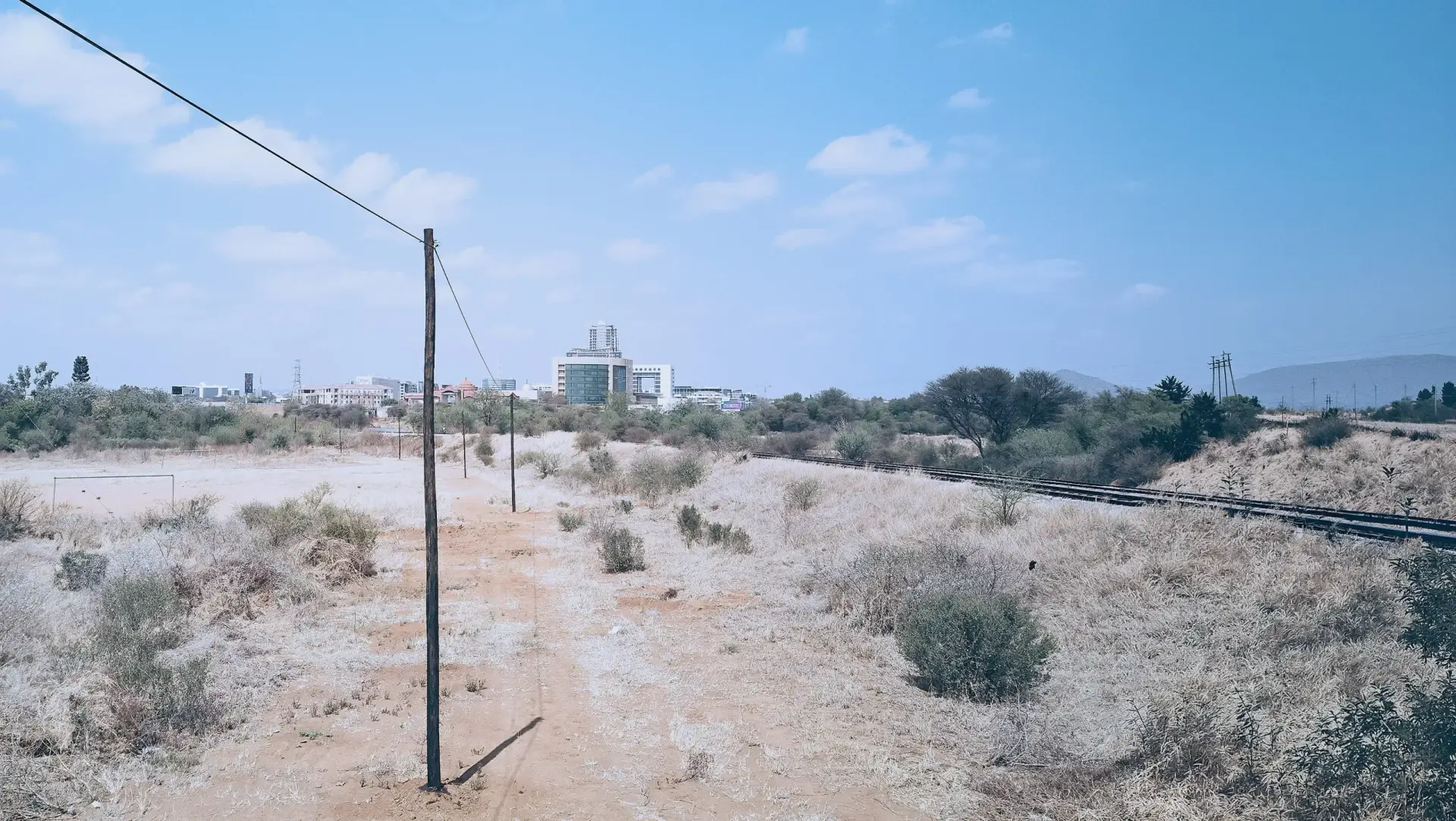
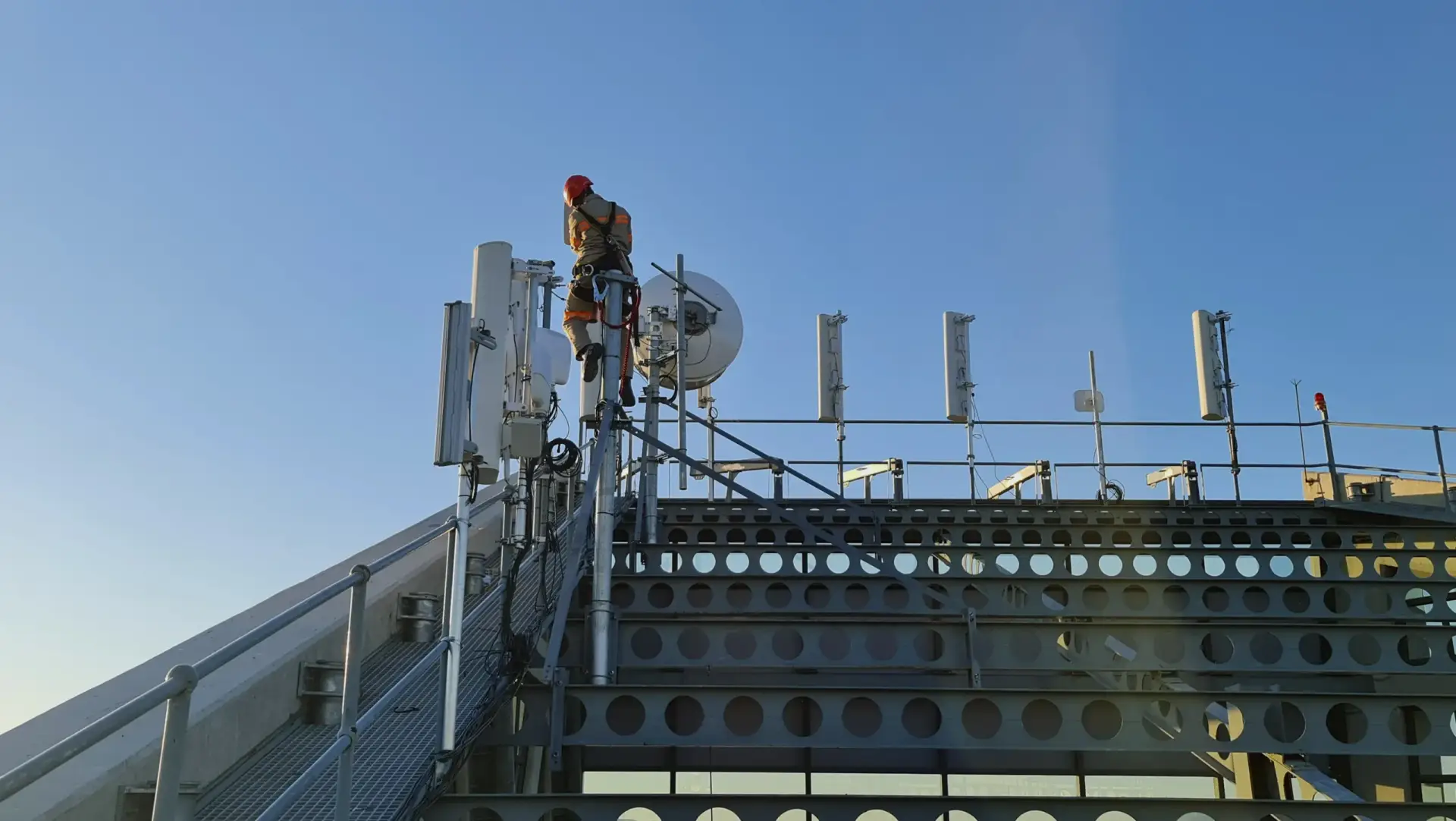
In response to the remote work boom, Paratus deployed Radwin Jet DUO base stations and launched residential wireless connectivity, expanding access across Gaborone.
2022
Paratus Botswana completed the acquisition of BBi (Broadband Botswana Internet), a leading local ISP with over 15 years of market presence. This strategic merger expanded Paratus’s reach into the consumer and SME markets and enabled the rollout of Fiber to the Home (FTTH) and Fiber to the Business (FTTB) shared internet services.
2023
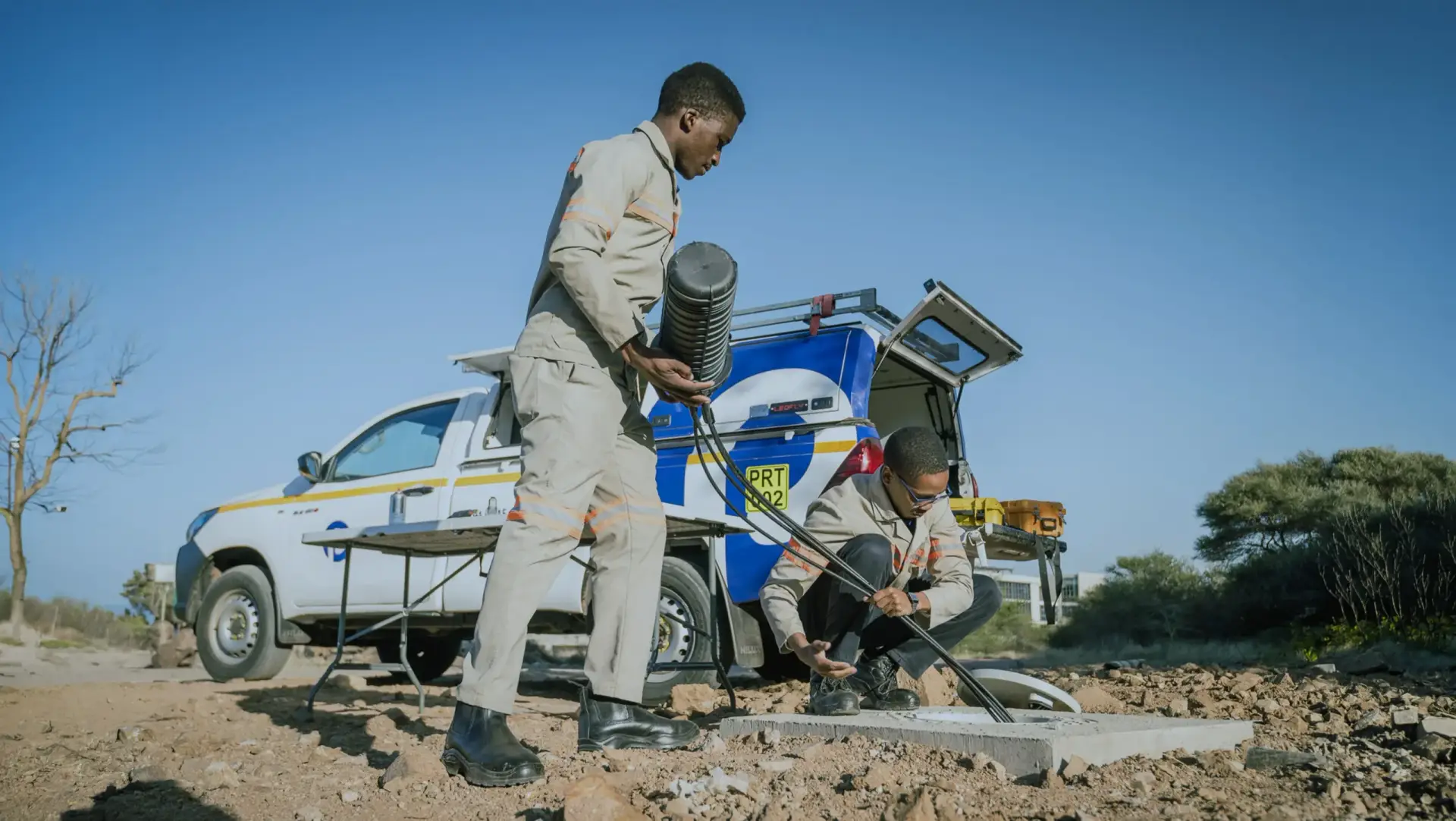
Construction began on the 840 km Botswana Kalahari Fiber (BKF) route, connecting Gaborone through Molepolole, Letlhakeng and Kang, to Namibia via Charles Hill. This ambitious infrastructure linked Botswana to the Equiano subsea cable in Swakopmund, Namibia, providing a new path for international bandwidth.
2024
The BKF route went live, marking a major milestone in Botswana’s digital infrastructure. Paratus launched new microwave Points of Presence (PoPs) in Kanye, Molepolole and Letlhakane, became the first authorised Starlink reseller in the country, and completed major fiber upgrades across Gaborone.
A 100G Metro Ethernetring was activated, with GPON capability introduced for full FTTH and FTTB service delivery on the Paratus network.

2025
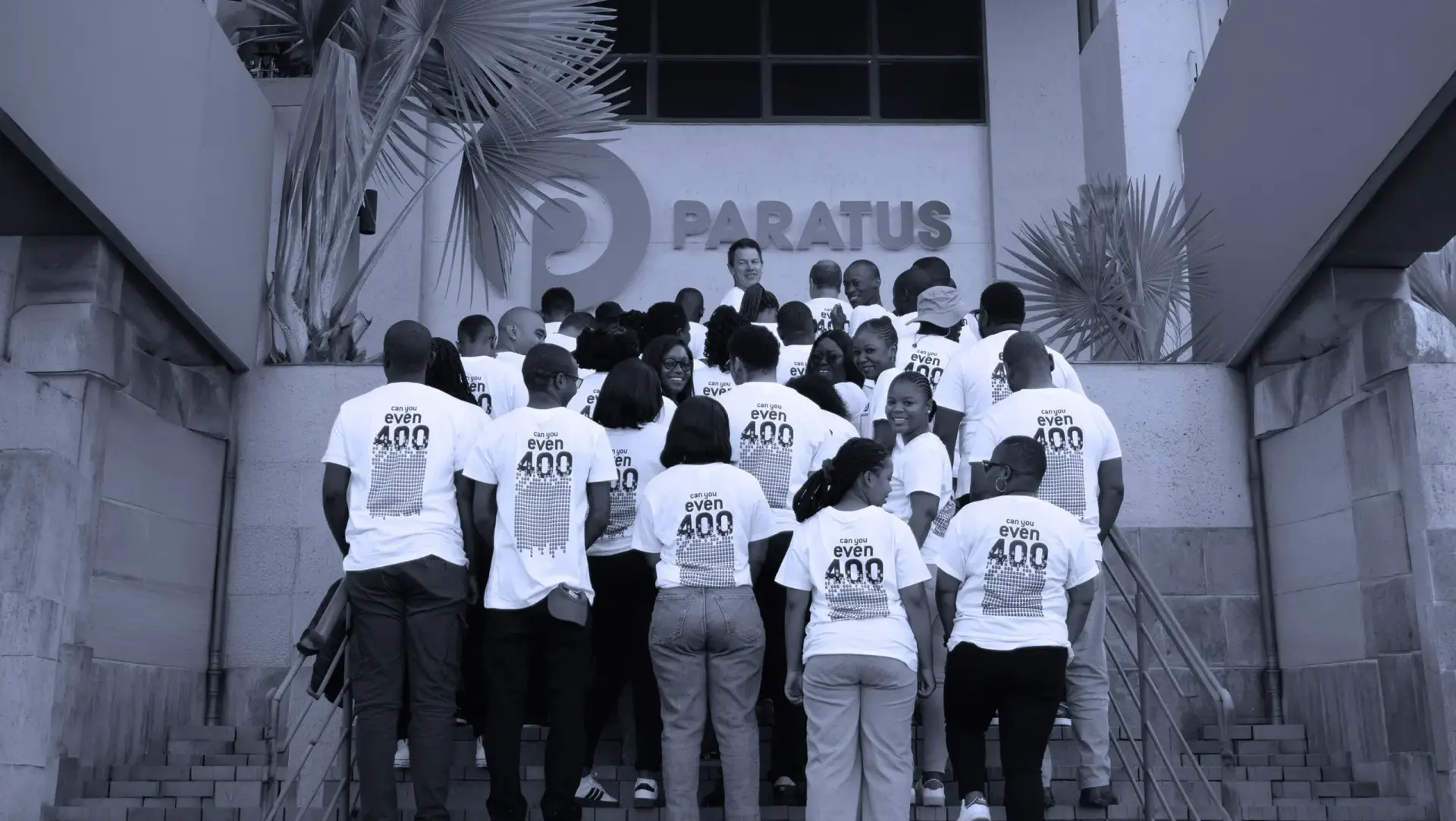
National expansion continued with the rollout of additional microwave PoPs and new coverage in Tati Siding and Mochudi. The BKF was extended into Zimbabwe via the completed Plumtree route, enhancing regional connectivity. A dedicated Wholesale Division was established to support growing industry demand and the Fiber backbone capability was increased to 400Gbps reaching all the way to Teraco.
2026
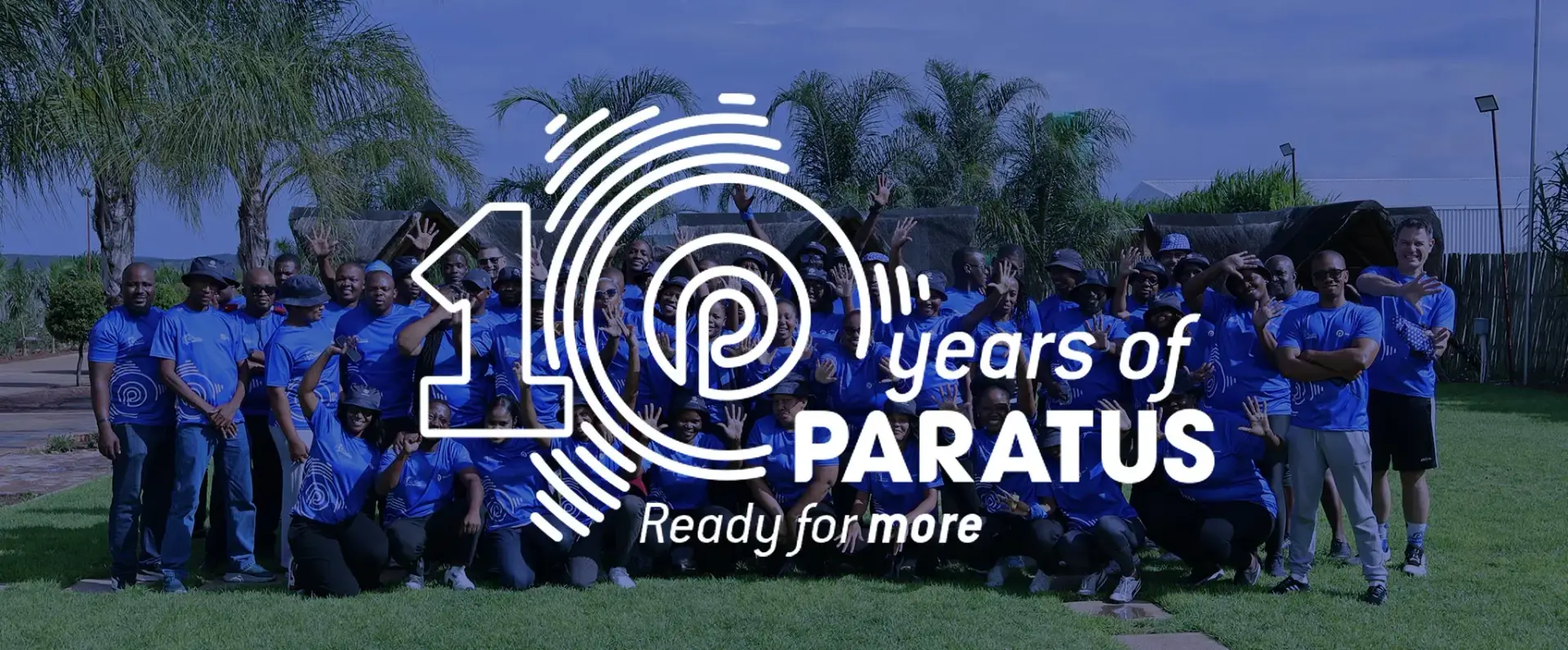
A decade since inception, the mission remains unchanged, to build resilient, future-ready infrastructure that powers progress across Botswana.
2016
With just two employees and a focused vision, the company targeted enterprise clients, grounded in the three core pillars that continue to define our brand: Quality, Reliability and Service Excellence.

2017
Paratus secured its first Data Centre presence and invested in a licensed 1Gbps microwave ring in Gaborone. Later that year, a 10Mbps international IPLC link to Teraco in Johannesburg was established, becoming the company’s first connection to the broader Paratus Group network.

2018
Paratus expanded its network to Francistown and secured a Gateway Licence from BOCRA, enabling direct international connectivity via Tlokweng. The company also acquired a communications tower in Kopfontein via Paratus South Africa and constructed its first independent cross-border microwave link.

2019
Paratus began building its own fiber network in Gaborone, completing a North–South backbone through Gaborone and via Tlokweng into South Africa. This formed the foundation for a metro fiber rollout, delivering diverse and independent connectivity solutions for both businesses and residential customers.

2020
A cloud and hosted services platform was launched, enabling the delivery of virtual machines, storage, hosted email and firewall solutions, marking Paratus Botswana’s entry into value-added enterprise services.

2021
In response to the remote work boom, Paratus deployed Radwin Jet DUO base stations and launched residential wireless connectivity, expanding access across Gaborone.

2023
Construction began on the 840 km Botswana Kalahari Fiber (BKF) route, connecting Gaborone through Molepolole, Letlhakeng and Kang, to Namibia via Charles Hill. This ambitious infrastructure linked Botswana to the Equiano subsea cable in Swakopmund, Namibia, providing a new path for international bandwidth.

2024
The BKF route went live, marking a major milestone in Botswana’s digital infrastructure. Paratus launched new microwave Points of Presence (PoPs) in Kanye, Molepolole and Letlhakane, became the first authorised Starlink reseller in the country, and completed major fiber upgrades across Gaborone. A 100G Metro Ethernetring was activated, with GPON capability introduced for full FTTH and FTTB service delivery on the Paratus network.

2025
National expansion continued with the rollout of additional microwave PoPs and new coverage in Tati Siding and Mochudi. The BKF was extended into Zimbabwe via the completed Plumtree route, enhancing regional connectivity. A dedicated Wholesale Division was established to support growing industry demand and the Fiber backbone capability was increased to 400Gbps reaching all the way to Teraco.

2026
A decade since inception, the mission remains unchanged, to build resilient, future-ready infrastructure that powers progress across Botswana.